

Chinese New Year or Lunar New Year is far more than a seasonal commercial peak. It is a deeply emotional cultural moment, rooted in tradition, symbolism, and collective celebration. For brands, it represents a unique opportunity to connect with the Chinese market through initiatives rich in meaning and cultural resonance.
Chinese New Year or Lunar New Year is far more than a seasonal commercial peak. It is a deeply emotional cultural moment, rooted in tradition, symbolism, and collective celebration. For brands, it represents a unique opportunity to connect with the Chinese market through initiatives rich in meaning and cultural resonance.
Limited‑edition collaborations, exceptional gift sets and immersive experiences allow brands to turn this festive period into a strategic branding moment. Every year, Chinese New Year sparks a surge of creativity. But behind the festive visuals and special editions lies a far more strategic challenge: capturing the attention of a demanding market seeking meaning, culture, and desirability.
In 2026, the Year of the Horse: a symbol of freedom, momentum, and strength, inspires particularly dynamic artistic collaborations. Brands are no longer content with simply dressing up their products. They tell stories, build imaginative worlds, and create true cultural objects. And if this moment has become essential, it is also because it acts as a commercial accelerator. A well‑designed collaboration can generate desirability, boost sales in key markets such as China, and strengthen long‑term brand equity.
At Collab Factory, we have been supporting brands for years in designing high‑impact artistic collaborations. With over four years of experience in China, our founder Mathilde Mazuranic brings a deep understanding of a market where every symbolic, aesthetic, and narrative detail matters. This article highlights the most inspiring collaborations of the year with the hope that they spark ideas for your next strategies.
A Year Under the Sign of the Horse… Already Looking Toward the Next
In Chinese astrology, the Horse embodies movement, independence, ambition, and forward momentum. It is a year associated with action, risk‑taking, and exploration. Values that strongly resonate with today’s brand strategies.
The Year of the Horse is also a transition: it will be followed in 2027 by the Year of the Goat, a more introspective, creative, and harmony‑driven sign. This shift already opens new narrative opportunities for brands capable of anticipating cultural cycles.
Ready to join the race?
Limited Editions: When Art Turns Products into Cultural Objects
Limited editions remain at the heart of artistic collaboration strategies. They transform products into collectible pieces and more importantly, create a strong emotional connection with consumers.
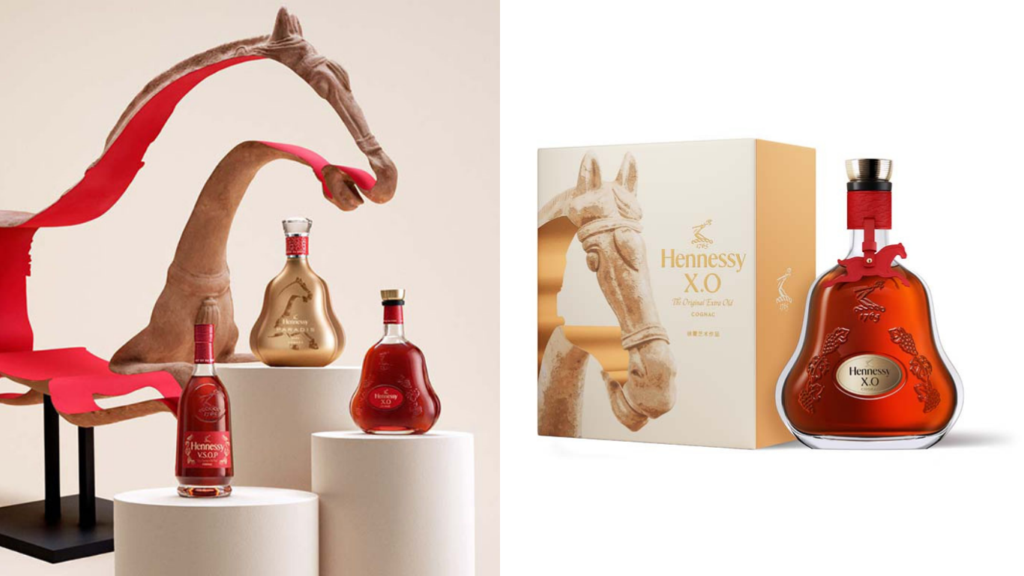
Hennessy continues its dialogue with contemporary art through a collaboration with Xu Zhen, a major figure in the international art scene. For the Year of the Horse, the Maison reimagines its iconic carafe with a sculptural interpretation of the horse. The bottle becomes a standalone artwork, enhancing perceived value and desirability in Asian markets.
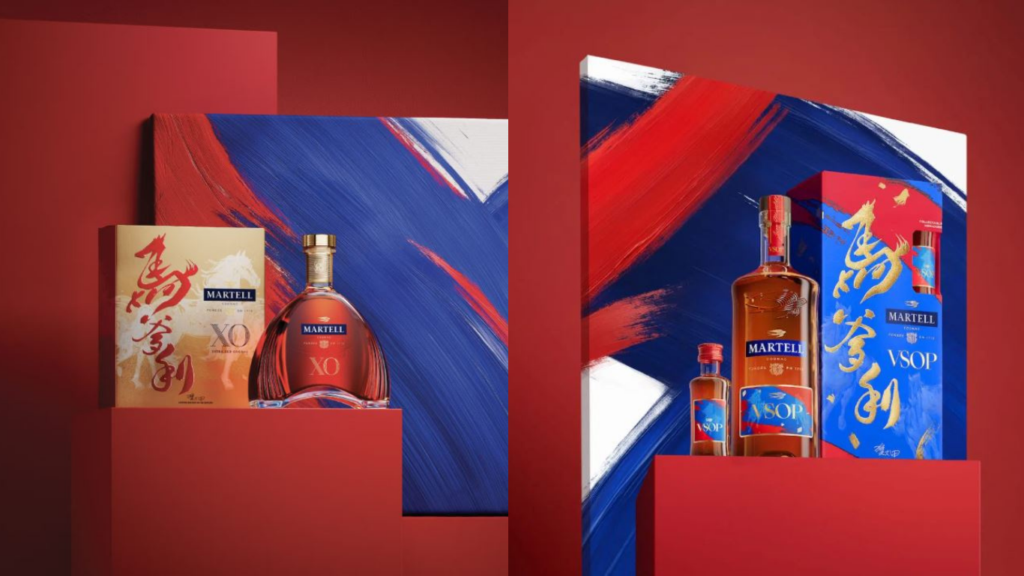
Martell partners with contemporary Chinese artist He Datian, known for expressive depictions of horses. Here, the animal becomes a metaphor for perseverance and exploration — perfectly aligned with the Maison’s heritage. More than a visual, it extends the brand’s storytelling.
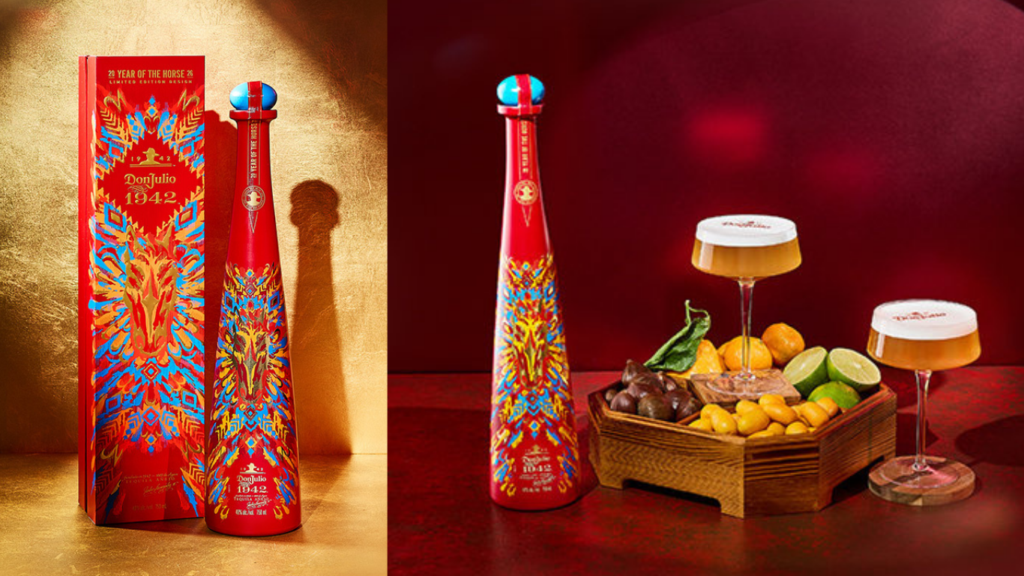
Don Julio takes a cross‑cultural approach. By linking the brand’s founding year in 1942 with the Year of the Horse, it bridges Mexican heritage and Chinese symbolism. The bottle design draws from traditional textile motifs and is complemented by a fashion capsule created with Siegelman Stable. A clear demonstration that an artistic collaboration can become a complete ecosystem.
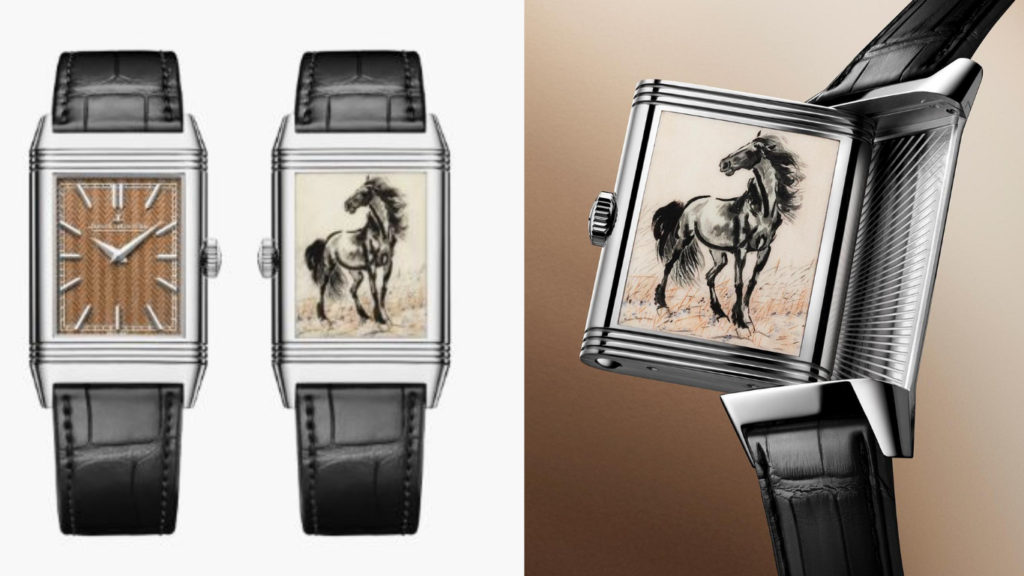
In watchmaking, Jaeger‑LeCoultre pays tribute to Xu Beihong (1895–1953), a master of modern Chinese painting renowned for his dynamic horses. The Reverso Tribute Enamel Xu Beihong is produced in only ten pieces: each becomes a miniature artwork. Rarity and craftsmanship reinforce a perfectly executed premium strategy.
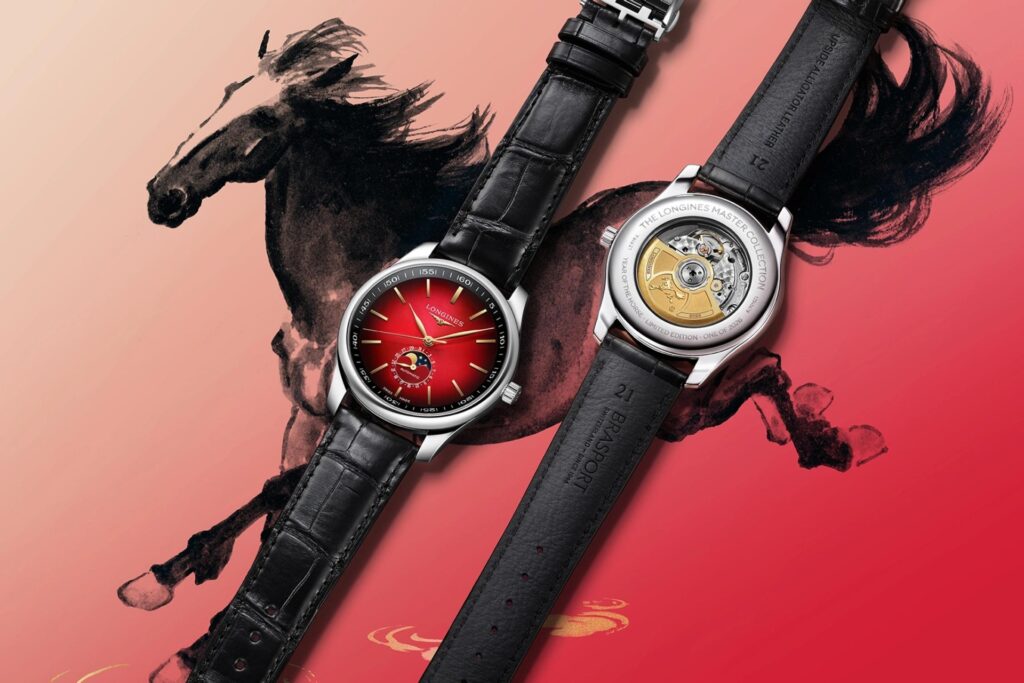
Longines collaborates with the Peon Art Museum, drawing inspiration from Peon Xu’s Galloping Horse. The engraved rotor and subtle red dial strike a balance between cultural legitimacy and product strategy. Limited to 2,026 pieces, this edition perfectly illustrates the meeting of storytelling and commercial performance.
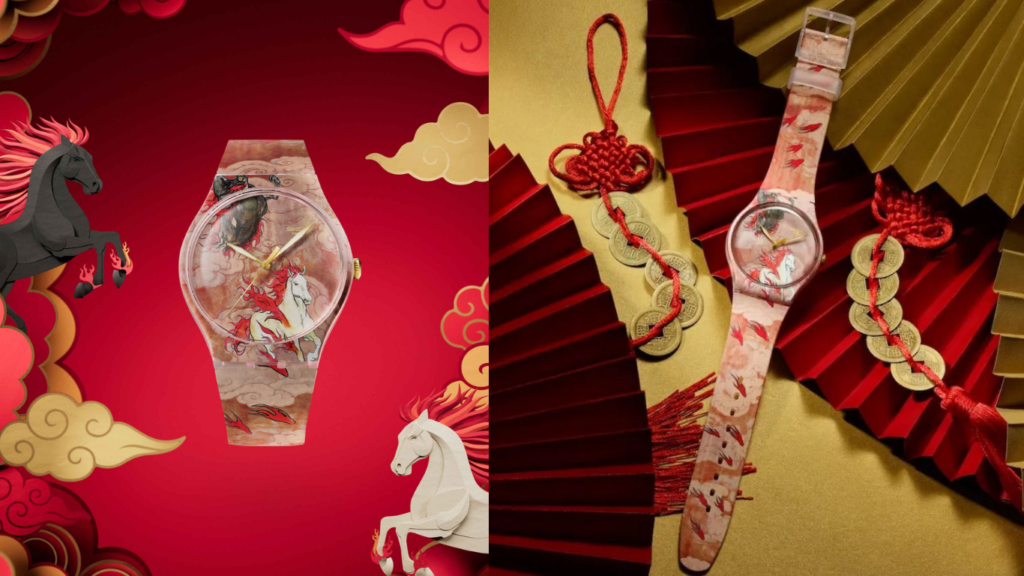
More accessible yet equally relevant, Swatch partners with contemporary artist Yu Wenjie, a former resident of the Swatch Art Peace Hotel. Riding The Clouds features two horses, black and white, symbolizing yin and yang. The artwork flows seamlessly from dial to strap, blending tradition and modernity.
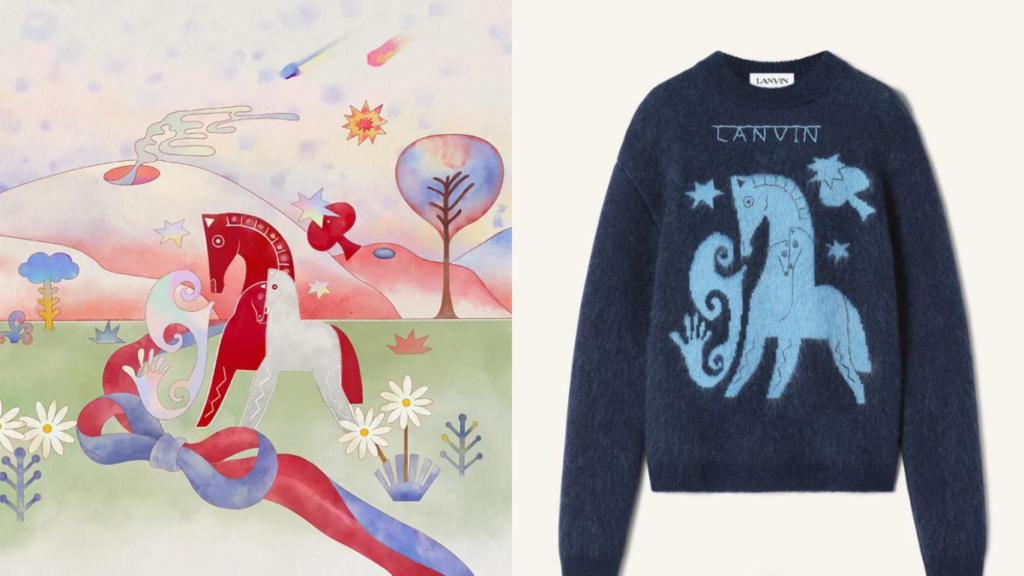
Last but not least, Lanvin collaborates with Chinese artist Lv Wenting, whose work blends contemporary sensitivity with personal expression. Inspired by the “Mother and Child” symbol, her exclusive motif brings emotional depth to the collection. Here, collaboration becomes a vehicle for attachment and transmission.
Campaigns & Experiences: When Art Goes Beyond the Product
Some brands go even further, using art as a true narrative medium.
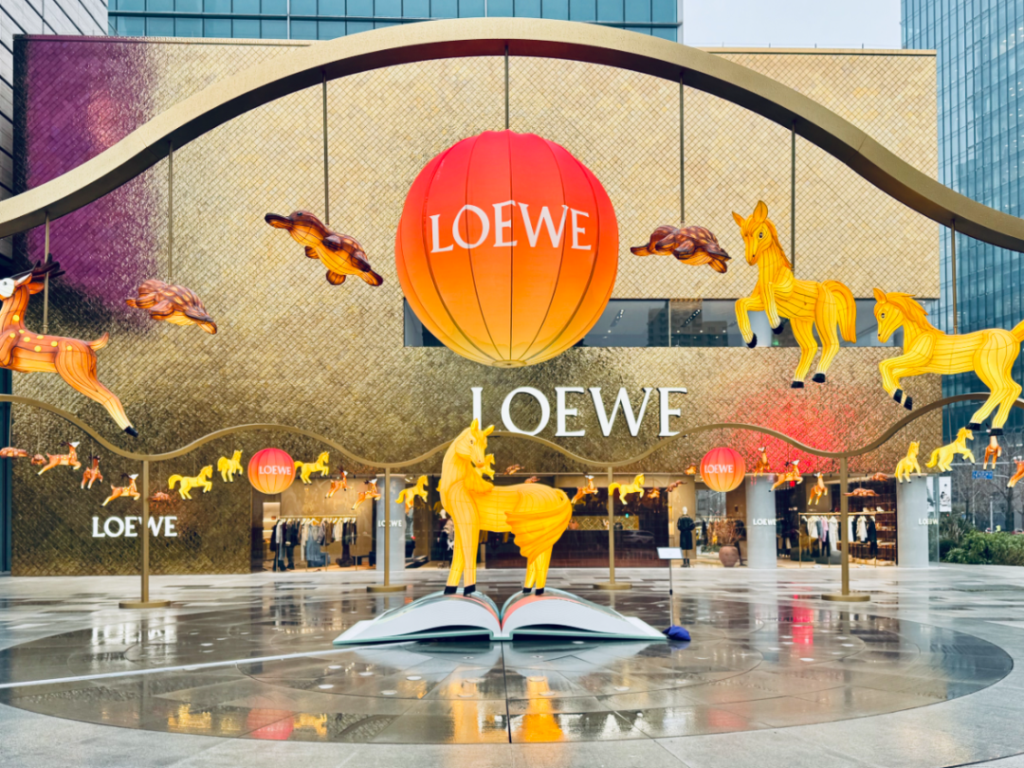
Loewe offers a particularly refined example. In collaboration with the Shanghai Animation Film Studio, the Maison revisits the tale The Little Horse Crossing the River. The project unfolds through a poetic film and a collection where every detail, even the fringes of the Puzzle bag, evokes the horse’s mane. Luxury doesn’t decorate; it tells a story.
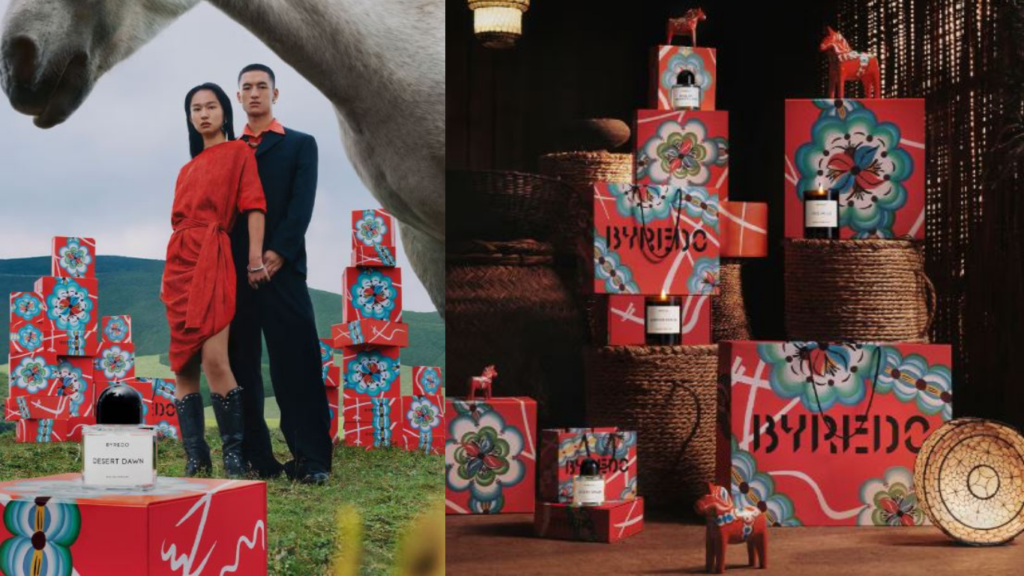
Byredo takes a more introspective approach with The Horse That Leads Us Home. Inspired by the Swedish Dala horse and Chinese traditions, the campaign explores themes of origin, return, and identity. Photographed by Annie Lai, it favors emotion and contemplation: a powerful strategy for deepening brand affinity.
Thinking Beyond Chinese New Year
Lunar New Year is a key moment, but it should not be the only entry point. The Chinese cultural calendar is rich with opportunities:
- Qixi (Chinese Valentine’s Day)
- 520 Day (digital love‑declaration day)
- Mid‑Autumn Festival
These moments allow brands to build more continuous, nuanced, and less saturated communication.
The most relevant brands are those that engage over time, building a cultural dialogue rather than a one‑off activation.
Artists Are Also Exploring the Theme
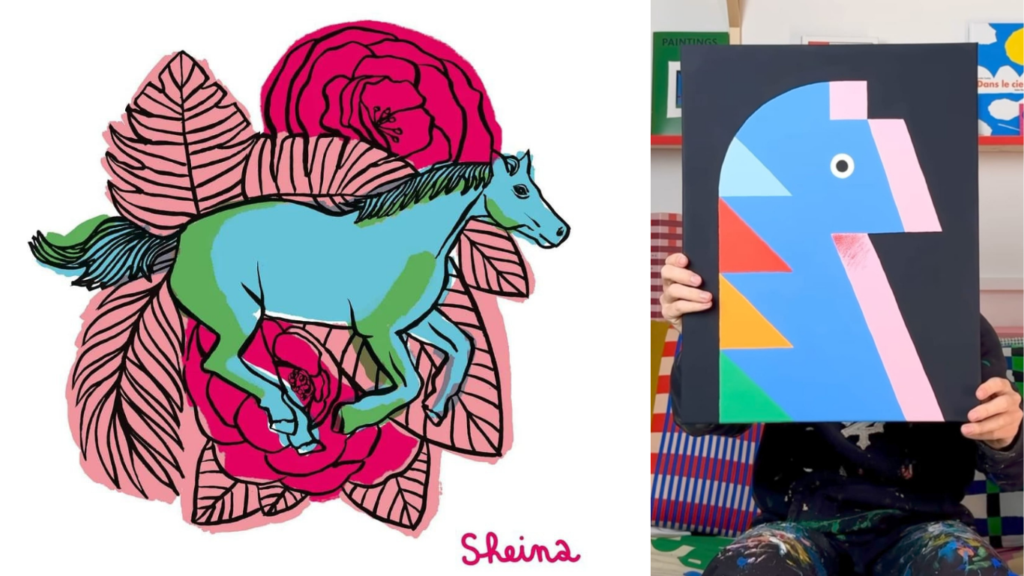
Beyond brand collaborations, many artists develop their own interpretations of Chinese New Year. Profiles like Sheina and Tomalater explore zodiac symbolism through illustration, graphic design, and contemporary storytelling. Their spontaneous, vibrant universes can become fertile ground for future collaborations.
Key Takeaways
In 2026, artistic collaboration is no longer a “nice‑to‑have”. It is a strategic lever. It enables brands to:
- transform products into cultural objects
- enrich brand storytelling
- create strong emotional connections
- and generate commercial value in key markets
But succeeding with a Chinese New Year collaboration requires more than creativity. It demands cultural fluency, thoughtful artist selection, and a clear strategic vision.
What’s Next?
Chinese New Year is symbolic but the brands that excel are those that turn it into an opportunity. At Collab Factory, we design bespoke artistic collaborations that function both as creative projects and business drivers.
If you are already preparing your activations for the Year of the Goat, or beyond, now is the time to begin.
Let’s imagine a collaboration that resonates, and above all, performs.
Cet article est le fruit d’une veille des collaborations artistiques, toutes ne sont pas des réalisations de Collab Factory.